How to Swaddle a Baby: A First-Time Mom’s Complete Guide
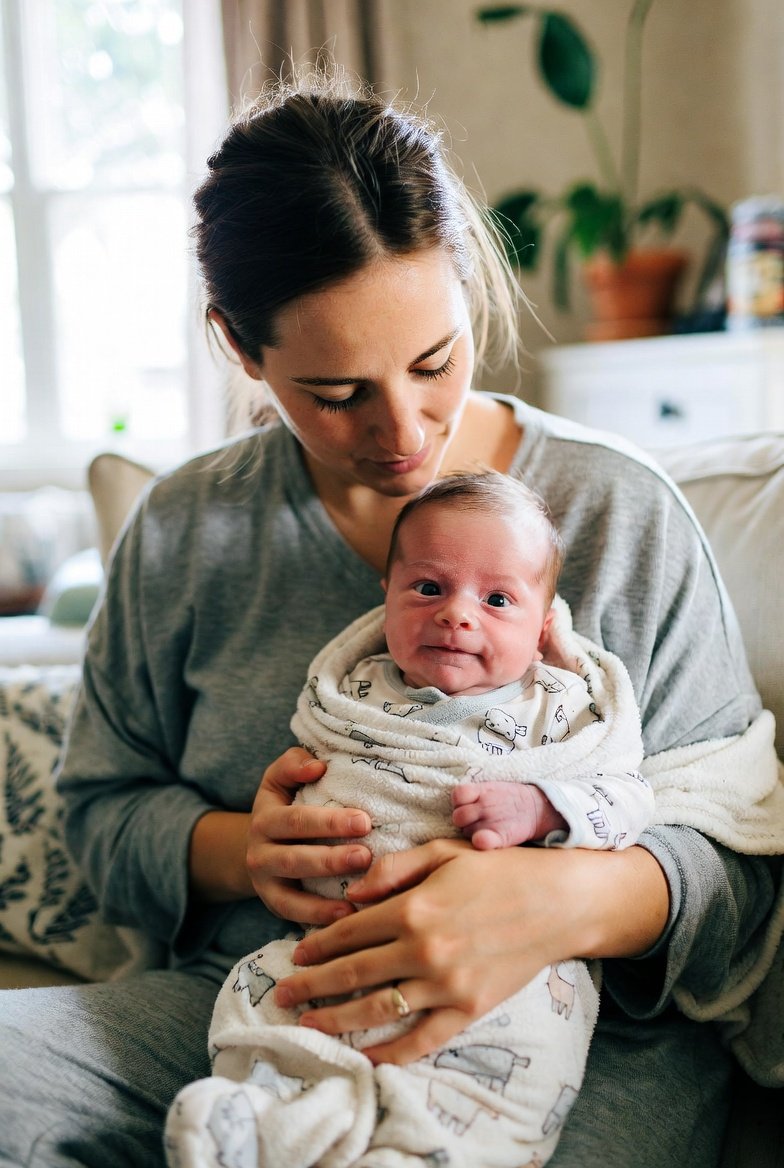
When I first held my newborn in the hospital, a nurse came over and transformed my squirming, fussy baby into a peaceful, burrito-wrapped bundle in about ten seconds flat. I watched in amazement, thinking, “I’ll never be able to do that.” But here’s the truth: swaddling isn’t nearly as complicated as it looks, and once you get the hang of it, it becomes second nature.
If you’re a first-time mom feeling overwhelmed by all the baby skills you need to master, let me walk you through swaddling step by step. Trust me, you’ve got this.
Why Swaddling Matters
Before we dive into the how-to, let’s talk about why swaddling is worth learning in the first place. Your baby spent nine months tucked snugly in your womb, so the outside world feels pretty overwhelming at first. All that space and those flailing limbs can actually startle your little one awake, thanks to something called the Moro reflex.
Swaddling recreates that cozy, secure feeling your baby loved in the womb. It helps prevent those jerky arm movements that can wake them up, and many babies sleep longer and more peacefully when swaddled. Plus, that gentle pressure can be incredibly soothing when your baby is fussy or overstimulated.
What You’ll Need
The good news is that swaddling doesn’t require fancy equipment. You’ll need a swaddle blanket, which is typically a large, square or rectangular blanket made from breathable fabric. Muslin and cotton are popular choices because they’re soft, breathable, and get softer with each wash.
Most swaddle blankets measure about 40 by 40 inches or 47 by 47 inches. If you’re just starting out, you might also want to try a swaddle with velcro or zippers, which can make the process easier while you’re building confidence. But traditional blanket swaddling gives you more flexibility as your baby grows.
My Top Swaddle Blanket Picks:
Muslin Swaddle Blankets – These lightweight, breathable blankets are perfect for year-round use. I love the 47×47 inch size because it gives you plenty of fabric to work with. [INSERT AMAZON LINK – Muslin swaddle blanket set]
Organic Cotton Swaddles – If you prefer something a bit thicker or want organic materials for your baby’s sensitive skin, cotton swaddles are wonderful. [ Organic cotton swaddle set]
Beginner-Friendly Swaddle Options:
Velcro Swaddles – These are lifesavers when you’re learning or doing middle-of-the-night diaper changes. Just wrap and secure with velcro tabs. [INSERT AMAZON LINK – Velcro swaddle wraps]
Zipper Swaddles – Even easier than velcro, these let you zip your baby in safely and quickly. [INSERT AMAZON LINK – Zipper swaddle sleep sacks]
The Step-by-Step Swaddle
Find a safe, flat surface like your bed, changing table, or even a clean spot on the floor. Lay your swaddle blanket down in a diamond shape, with one corner pointing toward you.
Take the top corner and fold it down about six inches to create a straight edge across the top. This fold should be roughly where your baby’s neck will be.
Place your baby on their back on the blanket with their shoulders just below that folded edge. Their head should be above the blanket, resting on the surface underneath.
Here comes the actual swaddling part. Take your baby’s right arm and gently place it at their side, slightly bent. Some babies prefer their arms straight down, while others like them slightly bent across their chest. You’ll figure out your baby’s preference pretty quickly.
Grab the left side of the blanket near your baby’s right shoulder and pull it across their body, tucking it snugly under their left side. The blanket should go under their back, creating a secure hold. This is the most important wrap because it’s what keeps everything together.
Now take the bottom corner of the blanket and fold it up toward your baby’s chin, tucking it into the top of the wrap you just created. This secures their lower body and legs. Don’t worry about making their legs perfectly straight; it’s actually healthier for their hips if their legs can bend and move a bit.
Finally, take your baby’s left arm and gently place it at their side. Pull the right side of the blanket across their body and tuck it underneath them on their left side. If there’s extra fabric, you can tuck it into one of the folds to keep everything secure.
Getting It Just Right
One of the biggest questions new moms have is, “How tight should it be?” The swaddle should be snug around your baby’s arms and chest, but not so tight that it restricts their breathing or hip movement. You should be able to fit two or three fingers between the blanket and your baby’s chest.
The hip area should be looser than the upper body. Your baby’s legs need room to bend up and out at the hips, which is their natural position and crucial for healthy hip development. A swaddle that’s too tight around the legs can lead to hip problems down the road.
Check your baby’s temperature after swaddling. You want them cozy, not overheated. Feel the back of their neck; if it’s sweaty or very warm, remove a layer or use a lighter blanket. Your baby’s hands might feel cool, but that’s normal and doesn’t mean they’re cold overall.
When to Swaddle (and When to Stop)
Swaddling is perfect for sleep times and when your baby is fussy and needs calming. Many parents swaddle for every nap and nighttime sleep during the first few weeks.
However, there are times when you shouldn’t swaddle. Never swaddle a baby for tummy time, as they need their arms free to push up and develop their muscles. Also, once your baby shows any signs of rolling over, usually around two to four months, it’s time to stop swaddling. A swaddled baby who rolls onto their stomach can’t use their arms to push up, which creates a safety risk.
Transitioning Out of the Swaddle:
When it’s time to stop swaddling, transition products can help ease the change:
Transitional Swaddles – These allow you to swaddle with one or both arms out, helping your baby adjust gradually. [INSERT AMAZON LINK – Transitional swaddle with arm options]
Sleep Sacks – Perfect for after swaddling, these wearable blankets keep baby cozy without restricting arm movement. [INSERT AMAZON LINK – Baby sleep sacks]
Troubleshooting Common Problems
If your baby keeps breaking free, you’re probably not tucking the blanket tightly enough under their body. That first wrap is key, so really pull it snug and tuck it deep underneath.
Some babies fight the swaddle at first, and that’s completely normal. They’re not used to it yet. Try swaddling when they’re calm or drowsy rather than already upset. You can also try swaddling with one or both arms out if your baby really resists having their arms down.
If your baby seems uncomfortable with their arms at their sides, experiment with different arm positions. Some babies love having their hands up by their face, and that’s okay too.
Bonus Items to Help with Sleep
While we’re talking about helping your baby sleep better, here are a few other items that work beautifully alongside swaddling:
White Noise Machine – The whooshing sound mimics what baby heard in the womb and can help them sleep longer. [INSERT AMAZON LINK – White noise machine]
Pacifiers – Some babies love being swaddled with a pacifier for extra soothing. [INSERT AMAZON LINK – Newborn pacifiers]
Night Light with Red Light – Red light doesn’t disrupt sleep hormones, making nighttime diaper changes easier without fully waking baby. [INSERT AMAZON LINK – Red night light]
Final Thoughts
Learning to swaddle takes practice, and your first few attempts might look more like a tangled mess than the perfect baby burritos you see in videos. That’s completely normal. By the time you’ve done it twenty times, you’ll be swaddling in dim light with one hand while holding your phone with the other.
Remember, every baby is different. What works for your friend’s baby might not work for yours, and that’s okay. Pay attention to your baby’s cues, stay patient with yourself, and before you know it, you’ll be the one making swaddling look effortless.
Start with a good quality swaddle blanket or two, maybe grab one of those easy velcro options for backup, and practice a few times before baby arrives if you can. You’re going to do great, mama. Sweet dreams to you and your little one!