Free Family Budget Spreadsheet for 2025: How I Finally Got Our Money Sorted (With Two Kids!)
Okay, I’m going to be brutally honest here. Before I had kids, I thought I was pretty good with money. I had my little personal budget, saved a decent amount, and rarely stressed about finances. Then Jared came along eight years ago, and everything changed. Fast forward to having baby Maddie this past year, and I realized I was basically flying blind financially.
Last month, I was standing in Target with a cart full of diapers, formula, and somehow three things Jared “absolutely needed” for school, when I looked at the total and nearly had a heart attack. That’s when I knew something had to change. I spent the next two weeks creating a family budget system that actually works for real life – not some perfect Pinterest version of life, but the chaotic, beautiful mess that is raising two kids.
Why I’m Sharing This (And Why It Matters)
Look, I’m not a financial expert. I’m just a parent who got tired of that sinking feeling every time I checked our bank account. If you’re reading this at 11 PM after the kids are finally asleep, wondering how other families make it work, this post is for you.
The thing is, having kids doesn’t just add expenses – it completely changes how you think about money. When it was just me, splurging on takeout was no big deal. Now? Every dollar I spend on unnecessary stuff is a dollar that could go toward Jared’s soccer cleats or Maddie’s college fund. The guilt is real, and the pressure to “figure it all out” can be overwhelming.
But here’s what I’ve learned: budgeting with kids doesn’t have to be perfect. It just has to be better than what you’re doing now.
The Reality Check That Changed Everything
Three months ago, I sat down and actually added up what we spent in a typical month. Not what I thought we spent, but what we actually spent. The number was… let’s just say it was eye-opening. Between Jared’s after-school care, Maddie’s daycare, groceries (why is formula so expensive?!), and all the little things that add up, we were spending way more than I realized.
The worst part? I had no idea where it was all going. Twenty dollars here, fifty dollars there – it was death by a thousand paper cuts. I needed a system that would help me see the big picture without making me feel like I needed a degree in accounting.
What Makes a Family Budget Actually Work
After trying about five different budgeting apps and spreadsheets that made my head spin, I figured out what actually matters for busy parents:
It has to be simple. If I need to spend more than 10 minutes updating it, it’s not happening. Between work, bedtime routines, and the general chaos of family life, complicated systems just don’t work.
It has to be flexible. Some months, Jared needs new shoes AND the car needs repairs AND Maddie goes through a growth spurt. Life happens, and your budget needs to roll with it.
It has to account for the weird stuff. Birthday party gifts, school fundraisers, that random Tuesday when Jared decides he needs poster board for a project due tomorrow – these things will happen, and your budget should expect them.
The Categories That Actually Matter (From My Kitchen Table to Yours)
Here’s how I break down our family budget, and why each category matters:
The Big Three (Housing, Transportation, Food)
These usually eat up about 60-70% of our income, and there’s not always a ton of wiggle room. But even here, I found places to optimize. We switched to buying generic brands for basics, started meal planning (game changer!), and I got better at saying no to Jared’s requests for expensive snacks at the grocery store.
Kid Expenses (The Never-Ending Category)
This is everything from diapers to soccer registration to that science project supply run. I used to try to track every single expense, but now I just give myself a reasonable monthly amount and try to stay within it. Some months we’re under, some months we’re over, but it evens out.
The “Oh Crap” Fund
Also known as emergency savings. This used to stress me out because all the advice says you need six months of expenses saved. With two kids? That felt impossible. So I started with $500 and built from there. Last month when our washing machine died (because of course it did), I was so grateful to have even that small buffer.
Future Stuff
College funds, retirement, all that grown-up stuff that’s easy to put off when you’re buying diapers and school supplies every month. I automate small amounts to both kids’ 529 plans – even $25 a month feels good when you see it growing over time.
My Real-World Budget Hacks
The 24-Hour Rule: Before buying anything over $50 that’s not essential, I wait a day. You’d be amazed how many times I realize we don’t actually need it. This has saved us probably hundreds of dollars on impulse purchases.
The Kid Tax: For every non-essential thing I buy for myself, I put the same amount in the kids’ savings accounts. It makes me think twice about that coffee shop visit and helps me feel less guilty when I do treat myself.
Sunday Money Meetings: Every Sunday while the kids watch cartoons, I spend 15 minutes checking in on our budget. Not updating every transaction (ain’t nobody got time for that), just a quick pulse check on how we’re doing.
The Amazon Wait List: Instead of buying things right away, I put them in my cart and wait. Half the time, I realize we don’t need them. For the things we do end up buying, I’ve found this meal planning notebook has been a lifesaver for grocery budget control, and this organizing system helps us actually use the bulk items we buy.
What I Wish Someone Had Told Me Earlier
Your budget will be wrong the first few months. And the next few months. And probably for a while after that. That’s normal! It takes time to figure out your family’s spending patterns.
Kids make everything more expensive, in ways you don’t expect. It’s not just the big stuff like childcare and clothes. It’s the extra laundry (higher water bill), the additional groceries because somehow they’re always hungry, the increased gas from driving to activities and appointments.
Budgeting with kids is different every year. Jared’s expenses at 8 are completely different from what they were at 5. Baby Maddie’s needs will change as she grows. Your budget needs to grow and change too.
It’s okay to spend money on things that make your life easier. That slow cooker that helps me get dinner on the table? Worth every penny. The meal planning system that saves me from daily “what’s for dinner?” stress? Money well spent.
The Mistakes I Made So You Don’t Have To
Trying to track every single expense. This lasted about two weeks before I gave up. Now I focus on the big categories and don’t stress about perfect accuracy.
Setting unrealistic grocery budgets. Turns out, family of four with a baby needs more than $100/week for food. Who knew? (Everyone but me, apparently.)
Forgetting about seasonal expenses. Summer camps, back-to-school shopping, holiday gifts – these don’t magically appear in your budget. Plan for them monthly.
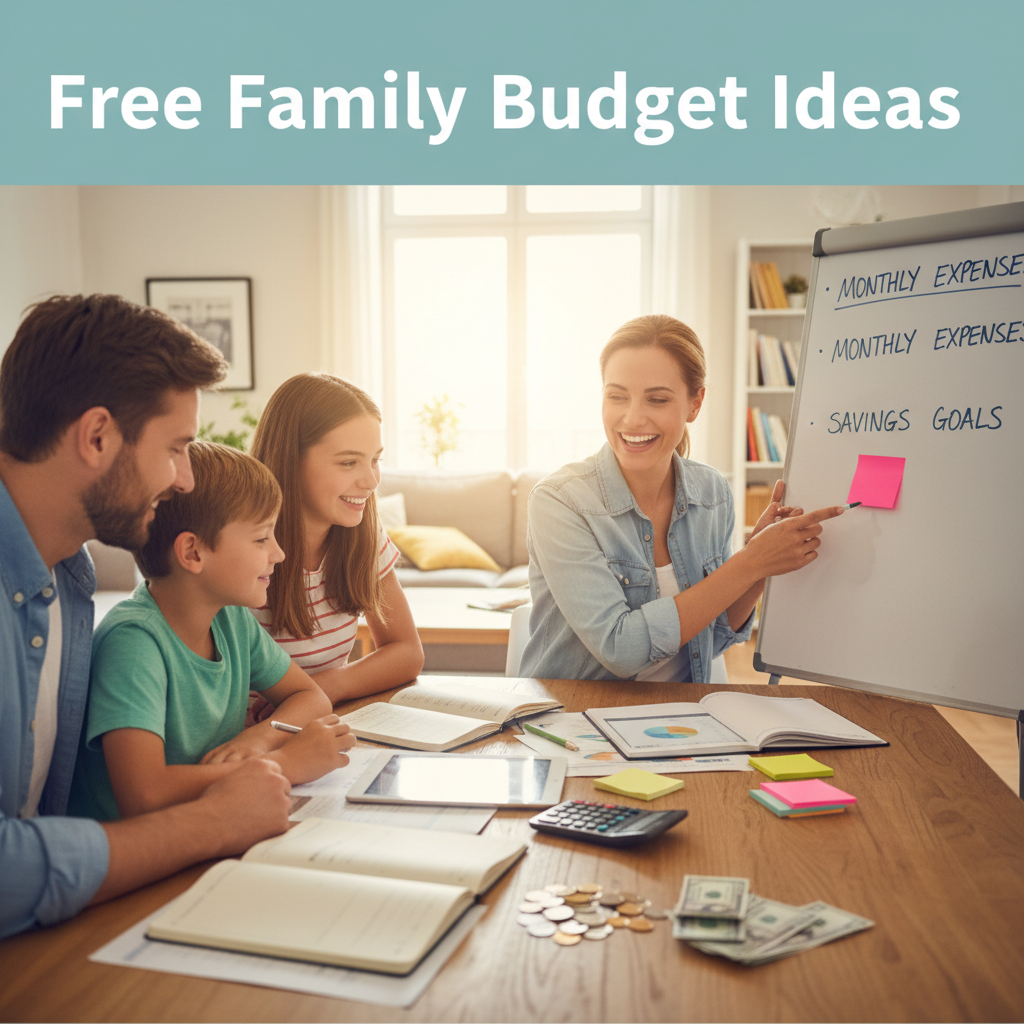
Not involving Jared age-appropriately. He’s old enough to understand that money isn’t unlimited and that we make choices about spending. Including him has actually made things easier, not harder.
Teaching Kids About Money (Without Making Them Weird About It)
Jared knows we have a budget, but I don’t want him stressed about money. He understands that we plan our spending and sometimes say no to things we want but don’t need. He’s started asking “Is that in the budget?” before requesting things, which is both adorable and helpful.
We’ve been reading some kids’ books about money together, and he’s starting to understand concepts like saving for goals. Nothing too intense – just age-appropriate conversations about how families manage money.
The Tools That Actually Help
Beyond the spreadsheet (which I’ll share the template for), here are the things that have made budgeting easier:
A simple financial planning book helped me understand the basics without overwhelming jargon. For organizing all the kid-related paperwork and receipts, this filing system has been a game changer. And honestly, a good coffee maker has probably saved us hundreds in coffee shop visits.
How to Handle Budget Fails (Because They Will Happen)
Last month we went over budget in three categories. The month before, an unexpected medical expense threw everything off. This month, Jared’s school decided they needed specific supplies for a project with two days’ notice.
Here’s what I’ve learned: budget fails aren’t moral failures. They’re just information. When we go over in one area, I look at why it happened and whether I need to adjust future budgets or if it was just a one-time thing.
The Real Talk About Balance
Some financial advice makes it seem like you should never spend money on anything fun or unnecessary. But honestly? Sometimes we order pizza because I’m too tired to cook. Sometimes I buy Jared the name-brand snacks because he’s had a rough week. Sometimes I splurge on good coffee because it makes my mornings better.
The point isn’t to never spend money on non-essentials. It’s to spend intentionally and within limits that don’t stress out your overall financial picture.
Where We Are Now (Spoiler: Not Perfect)
Three months into this new system, are we perfect budgeters? Absolutely not. Do I sometimes forget to update the spreadsheet for two weeks? Yes. Did we blow our dining out budget last month because it was my birthday? Also yes.
But you know what? I no longer get that panic feeling when I check our bank account. I know roughly where our money goes each month. We’re consistently putting money toward goals that matter to us. And when unexpected expenses pop up (because they always do), I have a plan for handling them instead of just hoping it all works out.
Starting Your Own Family Budget
If you’re ready to try this yourself, start small. Don’t try to track everything perfectly from day one. Pick the three biggest expense categories and focus on those first. Once you have a handle on the big stuff, you can add more detail.
Remember, the best budget is the one you’ll actually use. It doesn’t have to be perfect – it just has to be better than flying blind.
The goal isn’t to never spend money on fun things or to stress about every dollar. It’s to feel confident that you’re making intentional choices with your family’s money and working toward the things that matter most to you.
Trust me, that feeling is worth way more than a perfect spreadsheet.