So there I was last week, standing in my kitchen at 7 PM, looking at Jared’s math homework scattered all over the table. My 8-year-old was in full meltdown mode because he couldn’t figure out these word problems, and honestly? I was about two seconds away from losing it myself.
The words were RIGHT there: “Jared, stop being such a baby about this. It’s just math!”
But something made me pause. Maybe it was the way his little shoulders were shaking, or maybe it was remembering how crappy I felt when my own mom said similar things to me. Either way, I’m so glad I didn’t say it.
Instead, I sat down next to him and discovered he wasn’t being dramatic at all – the kid genuinely couldn’t understand what the problems were asking. My “helpful” comment would’ve just made him feel stupid AND upset.
That night, after I got both kids to bed (Maddie’s still waking up every few hours because apparently sleep is optional when you’re a baby), I started thinking about all the things I heard growing up that seemed totally normal then but feel pretty awful now that I’m the parent.
The Stuff We Say Without Thinking
Here’s what I’ve figured out – most of us aren’t trying to screw up our kids. We love them like crazy. But we’re tired, we’re stressed, and half the time we’re just repeating whatever our parents said to us.
The problem is some of these phrases stick with kids in really bad ways. Like, I still hear my dad’s voice in my head sometimes saying “quit your crying” whenever I get emotional about something. Not exactly helpful when you’re trying to process feelings as an adult, you know?
I’ve been paying more attention to what comes out of my mouth lately, and wow. Some of this stuff is rough.
The Greatest Hits (That Actually Suck)
“Because I Said So”
Okay, look. Sometimes you need your kid to just DO THE THING right now. Safety situations, when you’re running late, whatever. I get it.
But when this becomes your default answer to everything? You’re basically telling your kid their questions don’t matter and they should never think for themselves.
Jared asked me the other day why he couldn’t have screen time until after homework, and instead of my usual “because I said so,” I actually explained it. Turns out he thought it was a totally arbitrary rule, but once he understood the reasoning, he stopped fighting me on it.
Wild concept, right?
“You’re Being Too Sensitive”
This one hits close to home because I heard it ALL the time growing up. Every time I cried, got my feelings hurt, or reacted strongly to something – “you’re being too sensitive.”
All it taught me was that my emotions were wrong and inconvenient. I spent years thinking something was broken about me because I felt things deeply.
Now when Jared gets upset about something that seems small to me, I try to remember that it’s not small to him. His feelings are real even if I don’t totally get them.
“Why Can’t You Be More Like…”
Your sibling, your cousin, that perfect kid from down the street – doesn’t matter who you’re comparing them to, it hurts.
Even though Maddie’s still tiny, I’m already being careful not to set up this dynamic between her and Jared. They’re completely different people, and that’s exactly how it should be.
Calling Them Names When You’re Mad
“You’re so lazy.” “Don’t be such a brat.” “You’re being bad.”
Kids believe what we tell them about themselves. If we keep saying they’re lazy or bad or whatever, that’s who they think they are.
I caught myself about to call Jared lazy last weekend because he didn’t want to clean his room, but then I realized – he’s not lazy. He’s 8 and overwhelmed by the mess. Totally different problem with a totally different solution.
“I’m Disappointed in You”
My mom’s favorite line. And let me tell you, hearing that as a kid felt like the end of the world every single time.
The thing is, it makes kids feel like your love depends on them being perfect. Like they’re only worth something when they meet your expectations.
Now when Jared makes a choice I don’t love, I try to separate him from his actions. “I don’t like what you did, but I love YOU always.”
“Stop Crying or I’ll Give You Something to Cry About”
Classic dad move from my childhood. All this taught me was that my emotions were dangerous and I should hide them.
With both Jared and Maddie, I’m trying to be the safe place they can come with their big feelings. Even when Maddie’s crying for what seems like no reason at 3 AM (again), I remind myself she’s not trying to mess with me – she’s just trying to communicate the only way she knows how.
What This Stuff Actually Does
Here’s the thing that kind of freaked me out when I started reading about this – the voice in your kid’s head? A lot of it comes from you.
When Jared’s struggling with something hard, I want his internal voice to say “I can figure this out” or “it’s okay to need help.” Not “I’m stupid” or “my feelings are wrong.”
Kids who hear a lot of this negative stuff often end up:
- Not believing in themselves
- Stuffing down their emotions
- Being afraid to take risks or make mistakes
- Having trouble in relationships later
I don’t want that for my kids. I want them confident and emotionally healthy and knowing they can come to me with anything.
What I’m Trying to Do Instead
Taking a Breath First
This is huge for me. When I feel that frustration rising – like when Jared’s dawdling getting ready for school or when Maddie’s been crying for an hour straight – I try to pause before I say anything.
Sometimes I literally tell Jared, “Give me a second to calm down so I can be a better mom right now.” He actually respects that.
I keep this book called “The Whole-Brain Child” on my kitchen counter because it reminds me that kids’ brains work differently than ours. When Jared’s having a meltdown, his logical brain isn’t even online yet. No point trying to reason with him until he calms down.
Talking About My Feelings Instead of His Behavior
Instead of “You’re driving me insane with all this noise,” I try “The noise level is making it hard for me to concentrate. Can we bring it down?”
It’s a small change but it focuses on the impact rather than making him feel bad about himself.
Validating First, Then Problem-Solving
“I can see you’re really frustrated about this. That makes sense. Now let’s figure out what to do about it.”
With Jared, this works so much better than jumping straight into fix-it mode. He needs to feel heard before he can hear me.
Getting Down to His Level
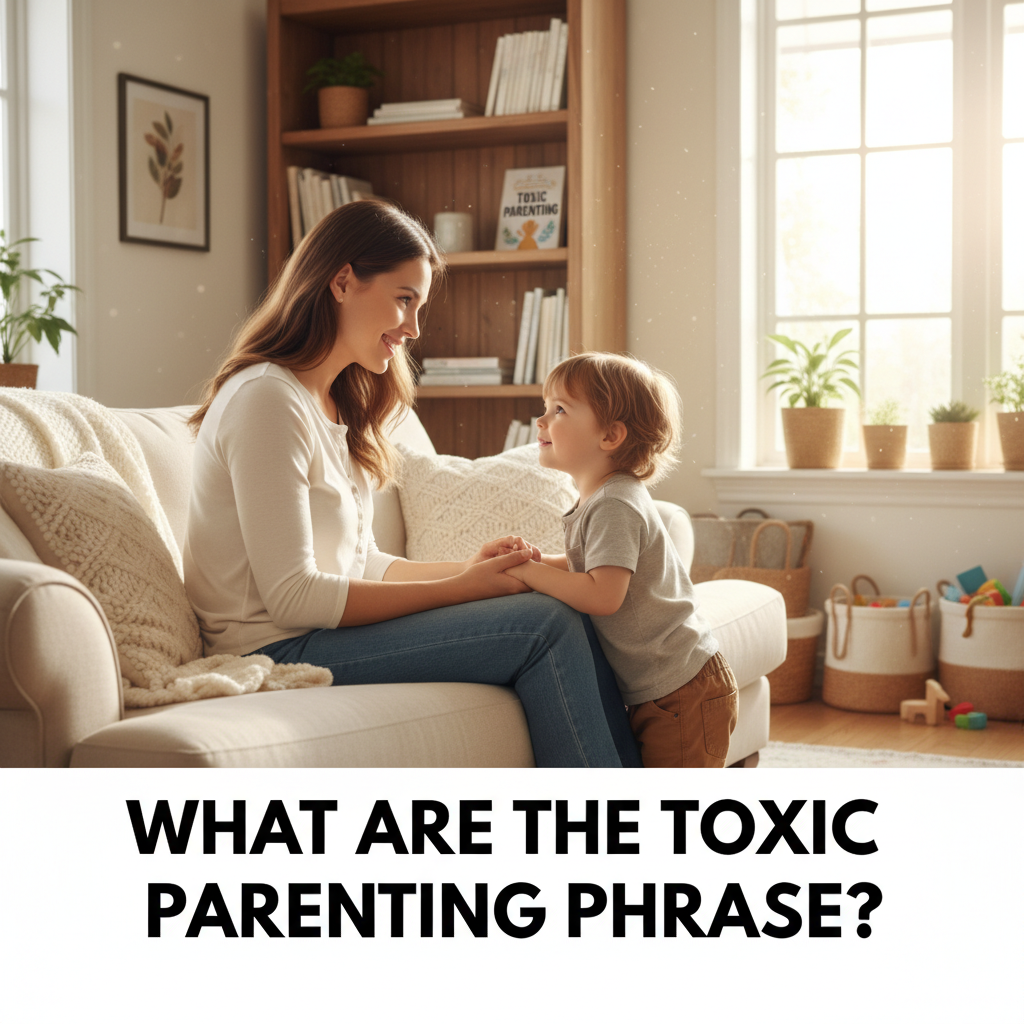
Literally crouching down to make eye contact with Jared makes such a difference. It shows respect and makes the whole conversation feel less like I’m towering over him being the boss.
Real Life Isn’t Perfect
Can I be honest? I mess this up all the time.
Just yesterday I snapped at Jared because he was taking forever to put on his shoes and we were already late for school. The second it came out of my mouth, I knew I’d handled it wrong.
So I went back to him and said, “Hey buddy, I’m sorry I got impatient with you. Being late stresses me out, but that’s not your fault. Let’s try this again.”
The look on his face when I apologized? Like he couldn’t believe I was admitting I made a mistake. That broke my heart a little, but also reminded me how important it is to show him that adults mess up too and that’s okay.
Family Meetings (Super Casual Style)
Once a week, usually during dinner, I ask Jared if there’s anything he wants to talk about – stuff that’s bothering him, things he’s excited about, whatever.
Sometimes he says no and that’s fine. But sometimes he brings up things that would never occur to me, like how he feels when I’m on my phone while he’s trying to talk to me. Ouch, but good to know.
Catching Him Being Good
I’m trying to notice when Jared does things right, not just when he needs correction.
“I saw you being gentle with your sister today. That meant a lot to me.”
“You worked really hard on that math problem even though it was frustrating.”
The smile he gets when I do this? Worth everything.
The Stuff That Actually Builds Them Up
Instead of focusing on all the things I shouldn’t say, I’m trying to fill our house with words that actually help:
“I believe you can figure this out.” “It’s okay to feel upset about this.”
“I love spending time with you.” “What do you think we should do?” “You’re safe to tell me anything.” “Mistakes are how we learn.”
When I use these with Jared, I can literally see him stand a little taller.
Breaking the Cycle Is Hard
The hardest part of all this? I’m trying to parent differently than I was parented, and sometimes I have no idea what I’m doing.
Like, my parents weren’t bad people. They loved me and did their best. But some of their methods just don’t feel right for my family.
I started keeping a little journal of my trigger moments – when do I slip back into old patterns? Usually when I’m hungry, tired, or stressed about something else entirely. Knowing that helps me catch myself quicker.
There’s this book called “Adult Children of Emotionally Immature Parents” that really opened my eyes to some patterns I didn’t even realize I had. Heavy stuff, but helpful.
The Do-Over
Here’s maybe the most important thing I’ve learned: you can always start over.
When I mess up with Jared – and I do, regularly – I can go back to him and try again.
“Buddy, I didn’t handle that well. You deserved better from me. Can we talk about it again?”
These moments of repair aren’t just fixing mistakes – they’re teaching Jared that relationships can be messy and that’s okay. What matters is being willing to make it right.
What I Hope For
As I watch Jared navigate being 8 (which is way more complicated than I remembered) and as I hold baby Maddie and think about the little person she’s becoming, I have this vision of the adults I want them to be.
I want them confident but kind. Emotionally intelligent. Willing to take risks and make mistakes because they know they’re loved no matter what. I want them to have that inner voice that cheers them on instead of tearing them down.
I’m not there yet. Some days I nail the patient, understanding mom thing. Other days I’m just trying to get everyone fed and out the door with matching shoes.
But I’m learning alongside them, and I think that’s okay. Maybe even good.
I keep “Peaceful Parent, Happy Kids” by Dr. Laura Markham on my nightstand as a reminder that this relationship-based approach actually works better than the fear-based stuff I grew up with. It’s not about being perfect – it’s about being real and connected and willing to keep trying.
What are you still working on not saying to your kids? What phrases from your own childhood are you trying to break? I’d love to hear what’s working (or not working) in your house – we’re all just figuring this out as we go.