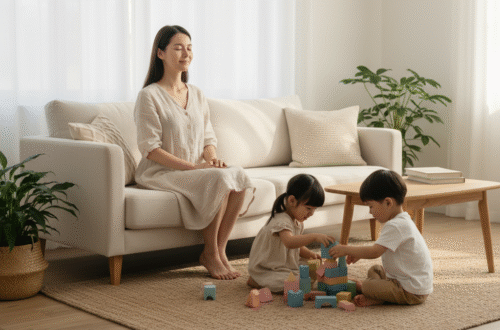
Motherhood is one of life’s most profound and rewarding journeys. While every mother’s experience is unique, certain core responsibilities unite mothers across cultures and generations. Understanding these duties can help new and experienced mothers alike navigate the beautiful complexity of raising children. Let’s explore the ten essential duties that define modern motherhood.
1. Providing Unconditional Love and Emotional Support
At the heart of motherhood lies the duty to offer unwavering love and emotional security. Children thrive when they feel genuinely loved and accepted for who they are. This means celebrating their successes, comforting them during failures, and providing a safe emotional space where they can express their feelings without judgment.
Emotional support involves active listening, validating your child’s emotions, and helping them develop healthy coping mechanisms. Whether your child is facing friendship troubles at school or struggling with self-confidence, your role as an emotional anchor cannot be overstated.
Recommended Resource: The Whole-Brain Child: 12 Revolutionary Strategies to Nurture Your Child’s Developing Mind offers excellent insights into emotional development.
2. Ensuring Physical Health and Safety
A mother’s duty to protect her child’s physical wellbeing encompasses numerous responsibilities. This includes providing nutritious meals, ensuring adequate sleep, scheduling regular medical checkups, and maintaining a safe home environment.
Safety extends beyond the home. Teaching children about stranger danger, road safety, and age-appropriate independence helps them navigate the world confidently. As children grow, this duty evolves to include discussions about online safety and making healthy choices.
Creating a well-stocked first aid kit and knowing basic emergency procedures are essential aspects of this responsibility. Being prepared for minor injuries and knowing when to seek professional medical help gives both mother and child peace of mind.
3. Nurturing Educational Development
Mothers play a crucial role in fostering their children’s love of learning. This duty begins with reading bedtime stories and continues through supporting homework, encouraging curiosity, and advocating for appropriate educational opportunities.
Educational nurturing isn’t limited to academics. It includes exposing children to diverse experiences, visiting museums, exploring nature, and encouraging questions about the world around them. The goal is to instill a lifelong love of learning rather than just achieving good grades.
Helpful Tool: Consider Educational flashcards or Interactive learning books to make learning fun at home.
4. Teaching Values and Moral Principles
Perhaps one of the most important duties is instilling strong moral values and ethical principles. Mothers serve as primary role models, teaching children about honesty, kindness, respect, responsibility, and empathy through both words and actions.
This involves having age-appropriate conversations about right and wrong, explaining the reasons behind rules, and helping children understand the consequences of their actions. Children learn values not just from what we tell them, but from observing how we treat others and handle challenges.
Religious or spiritual guidance, if applicable to your family, also falls under this responsibility, helping children develop their own sense of purpose and meaning.
5. Providing Financial Stability and Resources
Whether working outside the home or managing the household, mothers contribute significantly to their family’s financial wellbeing. This duty involves budgeting wisely, providing for basic needs like food, clothing, and shelter, and planning for future expenses like education.
Financial responsibility also means teaching children about money management. Age-appropriate lessons about saving, spending wisely, and the value of hard work prepare children for financial independence in adulthood.
Many mothers balance this duty with other responsibilities, making difficult decisions about work-life balance to ensure both financial security and quality time with their children.
6. Building Social and Communication Skills
Mothers help their children develop crucial social competencies that will serve them throughout life. This includes teaching basic manners, conflict resolution, empathy, and effective communication.
Through playdates, family gatherings, and community involvement, mothers provide opportunities for children to practice social skills in various settings. Guiding children through friendship challenges, teaching them to share and cooperate, and helping them understand social cues are all part of this important duty.
Encouraging healthy communication within the family creates a foundation for children to express themselves clearly and listen to others effectively.
7. Fostering Independence and Self-Sufficiency
While protecting and nurturing children is essential, equally important is preparing them for independence. This duty involves gradually teaching life skills appropriate to each developmental stage.
For young children, this might mean learning to dress themselves or help with simple chores. For teenagers, it includes cooking basic meals, doing laundry, managing schedules, and making responsible decisions.
Practical Resource: Kids’ cooking sets can make teaching kitchen skills fun and engaging.
The goal is to raise capable adults who can function independently in society. This requires patience as children learn through trial and error, and wisdom to know when to step in and when to let them figure things out.
8. Maintaining Physical and Mental Self-Care
Often overlooked but absolutely vital is a mother’s duty to care for herself. You cannot pour from an empty cup, and maintaining your own physical and mental health enables you to better fulfill all other responsibilities.
This means prioritizing adequate rest, nutrition, exercise, and stress management. It involves seeking help when needed, whether from partners, family, friends, or professionals. Taking time for hobbies, friendships, and personal interests isn’t selfish; it’s necessary for long-term wellbeing.
Self-Care Essential: Consider items like Meditation and mindfulness journals to support your mental health journey.
Modeling self-care also teaches children that taking care of oneself is important and acceptable.
9. Creating a Loving Home Environment
A mother’s duty includes creating a warm, stable, and nurturing home atmosphere. This goes beyond keeping a clean house; it’s about establishing family traditions, maintaining routines that provide security, and creating spaces where family members feel comfortable and connected.
This includes managing household responsibilities, coordinating schedules, and ensuring the home is a peaceful refuge from external stressors. Family meals, bedtime routines, and special celebrations all contribute to a sense of belonging and stability.
10. Being Present and Available
Perhaps the simplest yet most challenging duty is simply being there. Quality time matters more than quantity, but consistency and availability are crucial. This means being mentally and emotionally present, not just physically in the same room.
In our digital age, this often requires intentionally putting away devices and giving children undivided attention. It means attending important events when possible, having meaningful conversations, and being available when children need guidance or comfort.
Conclusion
These ten duties represent the multifaceted nature of motherhood. It’s important to remember that no mother is perfect, and that’s perfectly okay. What matters most is showing up with love, doing your best, and being willing to learn and grow alongside your children.
Motherhood is a journey of constant evolution. As children grow and circumstances change, how you fulfill these duties will adapt accordingly. The underlying constant is your love and commitment to raising healthy, happy, and well-adjusted individuals.
Remember, every mother’s situation is unique, and it’s okay to ask for help, adjust expectations, and find your own path through these responsibilities. The fact that you’re reading about how to be a better mother shows your dedication to this incredible role.